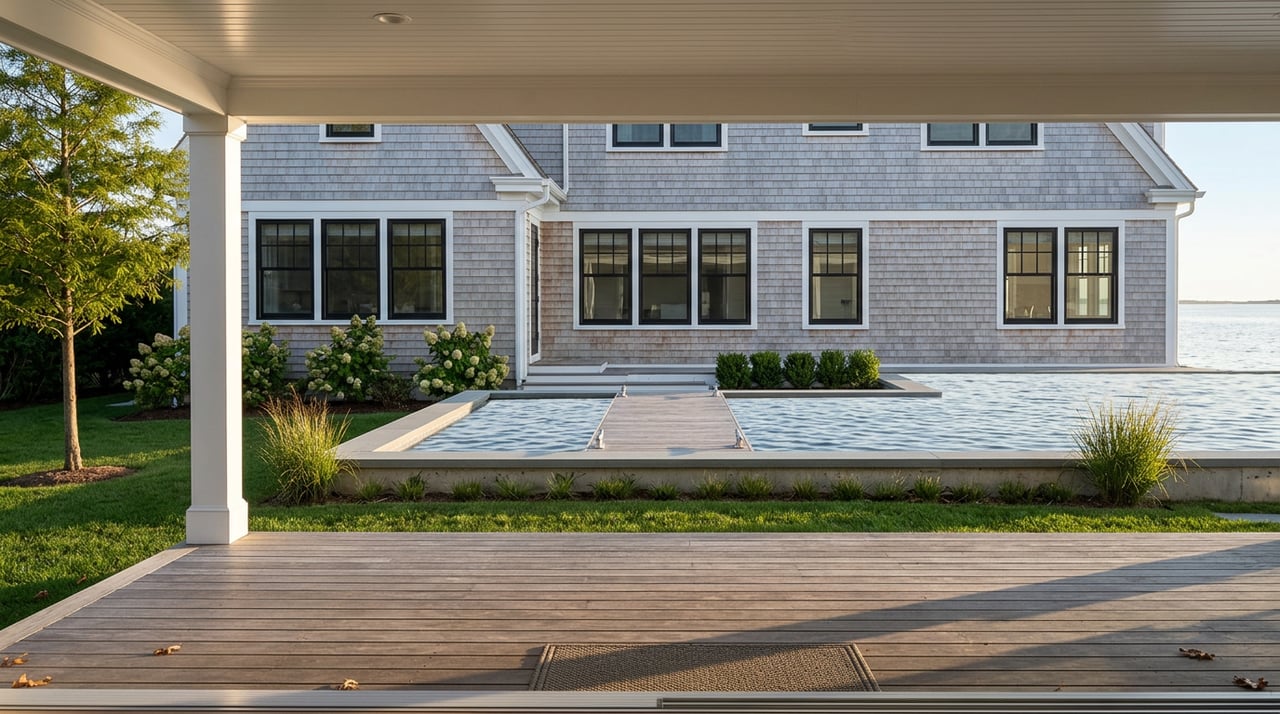
Sipping coffee on your dock while the sun lifts over the Chesapeake feels effortless. Buying the right Annapolis waterfront home to make that moment real takes a clear plan. If you understand pricing drivers, flood and permit rules, dock rights, and insurance, you can buy with confidence and avoid costly surprises. This guide gives you the essentials, plus a simple checklist to use before you write an offer. Let’s dive in.
What drives Annapolis waterfront value
Waterfront pricing in Annapolis and Anne Arundel County spans a wide range. Recent snapshots show a median listing price around $605,000 for properties flagged as waterfront, but that includes everything from modest condos to deep‑water estates. Small sample sizes and different water bodies make averages jump around, so focus on the specifics of each property.
Water depth and navigation
Deep‑water access usually commands the highest premium. If you can dock a larger boat without frequent dredging and reach open water quickly, the value is higher. Private piers, boat lifts, and direct access to the Bay add meaningful price power.
Dock and slip rights
Whether a dock or slip conveys with the property matters as much as the dock itself. A deeded slip can add significant value, while a leased or community‑shared slip changes your long‑term cost and control. Always verify deed and plat language, HOA documents, and any recorded pier agreements.
Shoreline condition and Critical Area rules
A sound bulkhead, functioning tiebacks, or a well‑built living shoreline reduces near‑term capital risk. Failing bulkheads are common negotiation points because replacement can be expensive. Anne Arundel’s Critical Area rules also affect what you can clear, repair, or add, which influences future value and usability.
Flood and site risk essentials
“Flood zone” and “flood risk” are related but not the same. Lenders look at FEMA flood zones, while your real‑world risk includes elevation, drainage, and how often nearby streets or driveways see high‑tide flooding.
Confirm FEMA zone and BFE
Run the exact address through the FEMA Flood Map Service Center to see the property’s flood zone and Base Flood Elevation. If an Elevation Certificate exists, review it before you finalize insurance or price negotiations. If one doesn’t exist and the zone or premium matters, plan for a survey during due diligence.
Tidal and nuisance flooding trends
Across the mid‑Atlantic, including Annapolis, nuisance high‑tide flooding has increased in frequency and is projected to rise further in coming decades. Local studies that include the Annapolis tide gauge show more tide‑driven events in the near term, which can affect ground‑level storage, parking, and street access. You do not need to fear this data, but you should factor it into your property selection and maintenance planning. See scientific assessments of tidal flooding frequency for regional context in this peer‑reviewed analysis.
Critical Area limits and buffers
If a home sits within 1,000 feet of tidal water, Anne Arundel’s Critical Area Program likely applies. Expect rules around the 100‑foot vegetated buffer, tree clearing, additions, decks, and shoreline work. You can review county program details and buffer guidelines on the Anne Arundel County Critical Area page.
Boating access, moorings, and permits
Annapolis offers a mix of private piers, community slips, marinas, and municipal moorings. The right option depends on your boating needs and how much certainty you want about year‑round access.
Plan your slip or mooring
Summer demand is high, and city moorings and transient slips are limited during peak weekends. If you need a guaranteed slip, plan for an HOA, marina, or private arrangement rather than relying on public options. Review mooring rules, services, and current updates through the Annapolis Harbormaster.
Verify what actually conveys
Do not assume a pier, lift, or slip conveys. Confirm deeded rights and any HOA or community ownership and maintenance cost sharing. For a primer on dock and riparian rights questions to ask and how to confirm conveyance, see guidance similar to what Maryland counties provide on deeded vs. leased or shared slips.
Shoreline work and permits
In Maryland, most work that affects the tidal line or state waters requires permits. Expect a joint review that can include the Maryland Department of the Environment, the U.S. Army Corps (for navigable waters), and local county or city approvals for grading and Critical Area buffer work. Maryland policy strongly prefers living shorelines as the first choice, and structural bulkhead replacements often require a waiver that shows a natural solution is infeasible. Learn more about living shorelines and permitting through Maryland Department of the Environment.
Permitting timelines vary by scope. Modest plantings can be shorter, while complex structural replacements can take months due to multi‑agency review and field visits. Plan your timelines and offers with that in mind.
Insurance, financing, and annual costs
Waterfront ownership has unique budget items. When you plan ahead, you can buy the right house and avoid surprises.
When flood insurance is required
Federal rules require lenders to ensure flood insurance is in place for loans secured by improved property in a FEMA Special Flood Hazard Area. If a home is in Zones A, AE, or VE, expect coverage to be mandatory for most financing. You can read how lenders apply the rules in the Interagency Q&As on flood insurance.
How Risk Rating 2.0 sets premiums
FEMA’s Risk Rating 2.0 moved NFIP pricing toward property‑specific risk. Premiums now consider things like structure elevation, distance to water, flood type, and replacement cost. That means two homes on the same street can see different premiums, and quotes can change after an elevation survey or mitigation. Get a plain‑English overview in this Congressional Research Service summary.
Budgeting for ownership costs
Plan for flood insurance in the low‑ to mid‑four figures for many area homes, with actual quotes driven by elevation and coverage. Add routine pier and bulkhead maintenance to your annual budget and expect major shoreline or dock projects to reach five to six figures depending on length, access, and materials. If your property relies on a community channel, check HOA documents for dredging assessments; state Waterway Improvement funds periodically support public channel work in Anne Arundel, but private maintenance is local to each community. You can see examples of statewide dredging grants in Maryland’s Waterway Improvement Fund updates.
How a local advisor reduces risk
A local, waterfront‑savvy agent helps you read the water and the paperwork. They know which creeks often see high‑tide puddling, how Critical Area buffers affect a back‑yard plan, and where dredging schedules or bridge clearances matter to boaters. They can also bring trusted inspectors, marine contractors, and surveyors to the table quickly so you get credible numbers before you waive contingencies.
With Long & Foster’s integrated network, you can line up mortgage, title, inspection, and insurance support in one place. That coordination shortens timelines and lowers stress, especially on complex waterfront purchases.
Smart due diligence checklist
Use this quick checklist before you submit an offer on an Annapolis waterfront home:
- Run the exact address on the FEMA Flood Map Service Center and request any available Elevation Certificate.
- Ask for dock and pier permit records, invoices, and whether the dock or slip conveys; see general guidance on verifying deeded vs. leased slips from Maryland counties here.
- Order a marine and dock inspection plus a seawall or bulkhead assessment from qualified local specialists; schedule these early with a contingency window. A sample scope of these inspections is outlined by providers like AAA Advanced Home Inspections.
- Get flood‑insurance quotes using the exact address and structure details, and confirm how Risk Rating 2.0 applies by reviewing this CRS summary.
- Confirm lender requirements early if the home is in a Special Flood Hazard Area; see the Interagency Q&As on flood insurance.
- Verify Critical Area buffer limits and any County or City permitting constraints for your intended repairs or additions using Anne Arundel’s Critical Area guidance.
Ready to explore the right creeks, coves, and neighborhoods for your lifestyle and boat? Reach out to Carol Gust to map the options, line up inspections, and buy with confidence.
FAQs
What counts as a “waterfront” home in Annapolis listings?
- In our area, “waterfront” can mean anything from a condo on a creek to a deep‑water single‑family property with a private pier. Always verify actual water access, depth, and whether a slip conveys.
How do I check the flood zone for an Annapolis address?
- Search the address on FEMA’s Flood Map Service Center to confirm the flood zone and Base Flood Elevation, then request any existing Elevation Certificate from the seller.
Do I need a special permit to repair a pier or bulkhead?
- Most shoreline work near tidal waters requires state and sometimes federal approval, plus local permits. Maryland generally prefers living shorelines, so structural work may need a waiver.
Will my lender require flood insurance on a waterfront home?
- If the home is in a FEMA Special Flood Hazard Area (Zones A, AE, or VE), most lenders require flood insurance for the life of the loan. Confirm this early with your lender.
How much does bulkhead or seawall replacement cost in Anne Arundel?
- Costs vary widely by length, access, materials, and permits. Expect a potential five‑ to six‑figure project and obtain a written estimate from a licensed marine contractor during due diligence.