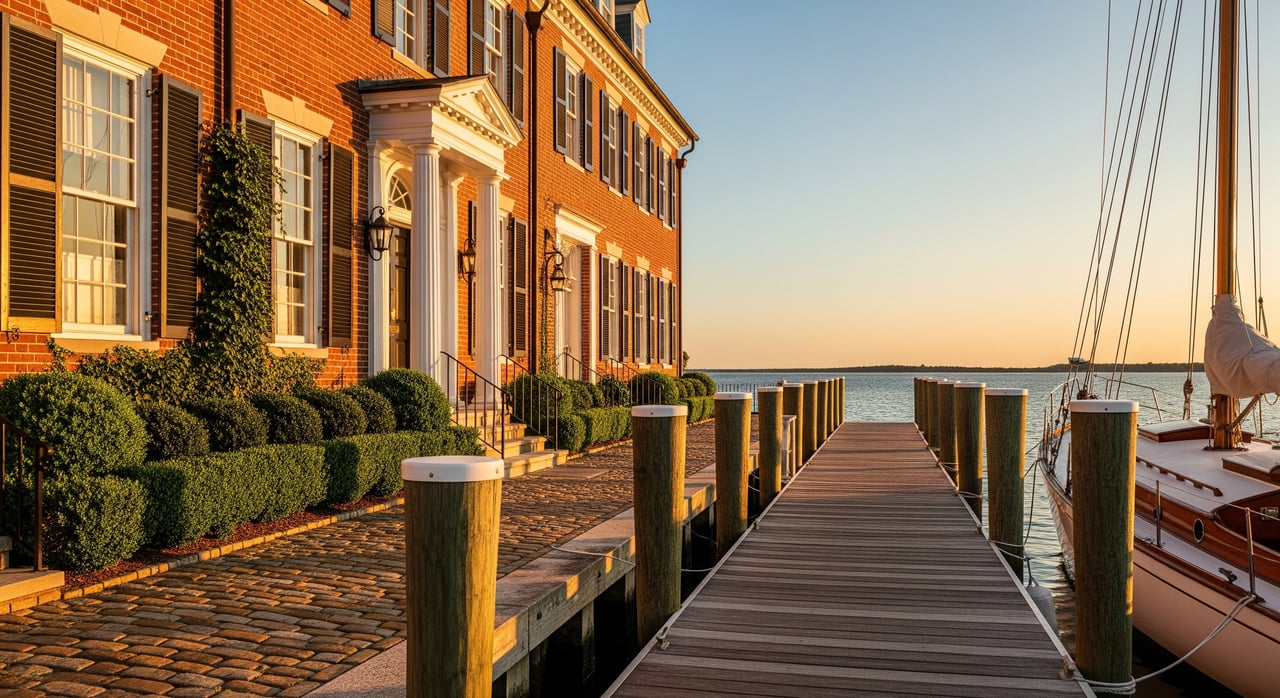
Thinking about a life where cobblestone streets meet open water? In Annapolis, you feel the history under your feet and the Bay breeze at your back. Whether you picture morning coffee on a brick stoop or evening paddles from a neighborhood launch, you have options to match your pace. In this guide, you’ll learn what everyday life looks like across the city, from neighborhoods and commutes to boating, permits, and flood basics. Let’s dive in.
Historic core and bay lifestyle
Annapolis blends Colonial-era charm with active waterfront living. Downtown, you walk past preserved brick buildings to reach City Dock, where the marina buzzes with sailors and sightseers. Seasonal rhythms shape daily life: boating season in spring and fall, the Annapolis boat shows each autumn, and Naval Academy traditions that bring extra energy.
Tourism rises in warmer months, which boosts downtown vibrancy and can tighten parking. Many residents plan errands earlier in the day or stick to neighborhood favorites during peak weekends. To keep tabs on events and festivals, the calendar at Visit Annapolis is a helpful starting point, and the Annapolis Boat Shows site highlights the big waterfront draws.
Neighborhoods at a glance
Each area offers a different daily rhythm. Here is a quick snapshot to help you narrow your search.
- Historic Downtown, City Dock, Eastport
- Very walkable, lined with restaurants, boutiques, and marinas. Homes include historic rowhouses, lofts, and waterfront condos. Expect smaller lots and limited driveways.
- West Annapolis, Spa Road, Admiral Heights
- Close to downtown with a more residential feel. Mix of older homes and newer infill. Good option if you want proximity without the crowds.
- Parole, Hilltop, Riva, Annapolis Neck
- Shopping and services cluster here, including grocery and everyday retail. Newer subdivisions and mid-density neighborhoods with convenient access to US-50.
- Nearby Anne Arundel communities: Crofton, Severna Park, Arnold
- Suburban neighborhoods with larger yards and easy commuter access toward Baltimore and Washington.
- Waterfront and marina pockets
- Homes and condos with Bay or river access. Flood exposure and insurance needs vary by street, so plan due diligence early.
If you are drawn to historic homes, remember that Annapolis has a large and well-regulated Historic District. Exterior changes usually require review by the Historic Preservation Commission. State-level guidance through the Maryland Historical Trust can also apply, which is important if you plan renovations.
Getting around and commuting
You connect to the region through the U.S. Route 50 and 301 corridor. This is the main route west toward Baltimore and Washington and east over the Bay Bridge. Traffic can slow during rush hours and during peak tourism seasons, so many residents shift schedules or use park-and-ride strategies.
Public transit is available, though most commuters drive. The Maryland Transit Administration runs commuter bus service that links Annapolis with regional employment corridors. There is no train station in the city; the nearest major rail connections are at BWI Airport or in Baltimore. Downtown and Eastport are very walkable for daily errands, and seasonal water taxis add options for getting around the harbor.
Daily conveniences and dining
Annapolis keeps daily needs simple. You will find grocery stores, pharmacies, and big-box retail mainly in Parole near the Westfield area and along major corridors. Downtown offers specialty markets, bakeries, and cafes that make errands enjoyable on foot.
Dining centers on seafood and waterfront views. Many restaurants cluster along Main Street, City Dock, and in Eastport. Seasonal farmers markets and pop-up events bring local vendors into the mix, so you can often buy produce, flowers, and prepared foods close to home.
Parks, water, and recreation
Water is the backdrop to everyday life. Residents sail, powerboat, kayak, and paddleboard on the Chesapeake Bay, Severn River, and nearby creeks. Marinas range from public transient slips at City Dock to private yacht clubs and neighborhood docks.
Quiet Waters Park is a favorite for trails, playgrounds, and boat rentals. Jonas Green Park offers riverfront access and views of the Naval Academy Bridge. With sailing schools, outfitters, and community programs, you can plug into the waterfront lifestyle at any experience level.
Schools and education
Public schools are served by Anne Arundel County Public Schools. School assignments depend on your exact address. Because performance and programs vary by school, it is smart to review state reports and visit the campuses that fit your needs.
Private and parochial schools provide additional options within and near the city. For higher education, the U.S. Naval Academy is a visible presence and community anchor, and Anne Arundel Community College offers a range of programs nearby.
Healthcare and services
You have broad access to healthcare. The region’s primary hospital is Anne Arundel Medical Center in Parole, with specialists, urgent care, and clinics along the main commercial corridors. Many routine needs can be handled within a short drive of most neighborhoods.
Historic rules and ownership basics
If you buy within the Historic District, expect an added layer of stewardship. Exterior changes, from paint colors to additions, typically require Historic Preservation Commission review. This process protects the city’s character but can add time and cost to projects, so build that into your planning.
Buyers who are renovating often consult both the city’s Historic Preservation Commission guidance and the Maryland Historical Trust for best practices and potential incentives. Interior updates usually face fewer historic restrictions, though standard building permits still apply.
Flood risk, tides, and insurance
Many parts of Annapolis are low-lying. Tidal flooding, storm surge, and long-term sea-level rise are known local concerns. Before you make an offer, verify a property’s flood zone and elevation.
Start with the FEMA Flood Map Service Center to check if a property sits in a Special Flood Hazard Area. Then review local projections with the NOAA Sea Level Rise Viewer. Waterfront or near-water homes often require separate flood insurance and, in some cases, an elevation certificate. Talk with insurance professionals early to estimate premiums.
Property taxes and practical costs
Property taxes include county and possibly city components. For rates, credits, and exemptions such as homestead or senior, use the Anne Arundel County Office of Finance as your reference. The Maryland Department of Assessments and Taxation provides assessment details and ownership records.
Housing costs in Annapolis trend above the Maryland average, especially for downtown and waterfront addresses. Inventory is often tight, which can affect timing and negotiations. A clear plan and early vendor coordination help you move quickly when the right home appears.
Newcomer buyer checklist
Use this quick list to streamline your search and due diligence.
- Confirm flood zone and elevation. Request any existing elevation certificates.
- Check if the property is within the Historic District and review exterior rules.
- Ask about parking: on-street permits, nearby municipal lots, or leased spaces.
- Price out insurance early, including flood and wind coverage if applicable.
- Verify school attendance zones and visit any schools of interest.
- Test your commute along US-50 at peak times and explore bus options if needed.
- Research marina or boat-slip logistics early, including costs and waitlists.
Is Annapolis a fit for you?
If you want walkable, historic streets alongside easy water access, Annapolis brings both to your daily routine. You can choose between downtown energy and quieter residential pockets, all within a short drive of groceries, healthcare, parks, and marinas. With a few smart steps on flood and historic rules, you can enjoy the lifestyle with fewer surprises.
When you are ready to explore neighborhoods or map your next move, connect with Carol Gust for local guidance, concierge-level coordination, and a calm, step-by-step plan. Get your instant home valuation and schedule a free consultation.
FAQs
Is Annapolis good for boating and sailing?
- Yes. Annapolis is a major Chesapeake Bay hub with marinas, sailing schools, and seasonal boat shows. Access and slip availability vary by neighborhood and marina.
How walkable is downtown Annapolis for daily errands?
- Downtown and parts of Eastport are very walkable for shopping, dining, and waterfront activities. Parking can be limited during peak seasons and events.
What commute options exist from Annapolis to DC or Baltimore?
- Most commuters use US-50 and 301. Public transit options exist through commuter buses, though schedules change. Expect congestion during rush hours and summer weekends.
Can I renovate a historic Annapolis home?
- Yes, with planning. Exterior changes in the Historic District typically require Historic Preservation Commission review. Interior updates follow standard permitting rules.
Do I need flood insurance for a waterfront home?
- Often yes. Check FEMA flood maps and your lender’s requirements. Premiums depend on zone, elevation, and building features, so get estimates early.
Where do residents shop and get healthcare in Annapolis?
- Everyday shopping is concentrated in Parole and along major corridors. Hospital care, specialists, and urgent care options are nearby, led by Anne Arundel Medical Center.