Thinking about trading long city drives for weekends by the Bay? If you’re relocating to Arnold in Anne Arundel County, you’re likely balancing commute logistics with lifestyle goals and a smooth home search. You want clear routes to DC, Baltimore, USNA, or Fort Meade, plus honest guidance on flood risk, utilities, and timing your move. This guide gives you practical, local insight and a step-by-step plan so you can move with confidence. Let’s dive in.
Quick orientation to Arnold
Arnold sits on the Broadneck Peninsula, just north of downtown Annapolis and east of the Severn River. It is a suburban community with many single-family homes, alongside select townhome and condo options. You’ll find strong access to Chesapeake Bay recreation, from rivers and creeks to nearby marinas and boat ramps.
The community feels residential and convenient. You can enjoy quiet streets at home and reach Annapolis dining and culture in minutes. This mix is a major draw for commuting professionals and military families who want a balanced lifestyle.
Commute overview and timing
Arnold offers direct access to Annapolis and quick connections to US‑50/US‑301 and I‑97. Like most regional highways, peak-hour conditions vary. Morning inbound and evening outbound periods see the most congestion. Seasonal traffic can increase on weekends, especially around the Bay Bridge corridors.
Plan for variability and build in buffer time. Parking in downtown Annapolis near USNA can add minutes, and incidents can ripple across the main arteries.
To Annapolis and USNA
Local roads across the Broadneck Peninsula make this the shortest daily trip for many residents. The drive into downtown Annapolis is straightforward, though event days and parking near the Academy can extend total time on route.
To Baltimore
From Arnold, common routes include MD‑2 north toward Glen Burnie, then I‑97 north or I‑695. Your best option depends on your destination neighborhood in Baltimore and current traffic. If you’re weighing neighborhoods, test-drive the route you would use at your typical commute time.
To Washington, DC
Most commuters use US‑50/US‑301 westbound into the Washington metro area. This corridor is direct and widely used. Build extra time during peak periods and check real-time navigation before you leave.
To Fort Meade
Fort Meade sits inland to the northwest. Typical routes use local connectors out of Arnold, then segments of MD‑3, MD‑32, or MD‑170 depending on your chosen gate and destination on base. Many commuters also travel through the Odenton corridor.
Transit and rail options
- MARC Commuter Rail (Penn Line): Odenton and BWI Marshall are the nearest stations and are a drive from Arnold. MARC offers weekday service to Baltimore and Washington. Check current schedules before planning a routine.
- Buses: Anne Arundel County and the Maryland Transit Administration operate routes in the region. Express options exist, but stops and frequencies vary by line. Verify the latest maps and timetables.
- Air and regional rail: BWI Marshall Airport is the closest major airport and an intermodal hub, including Amtrak and MARC connections.
Lifestyle by the Bay
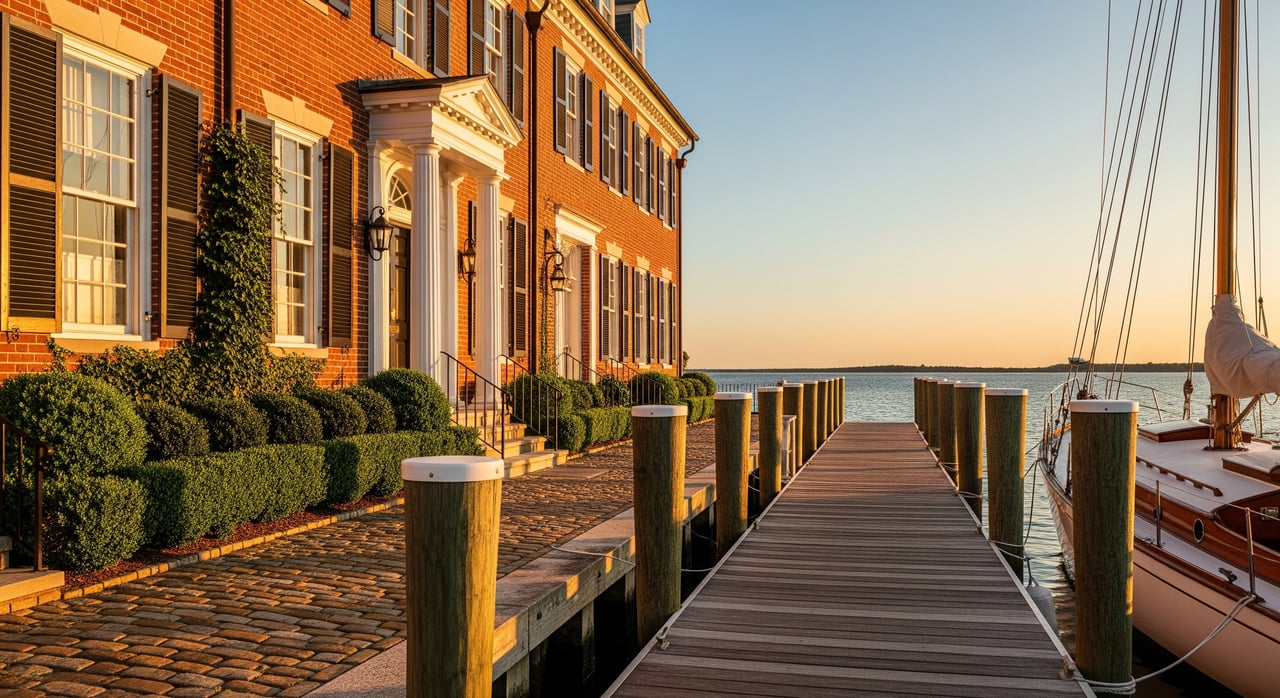
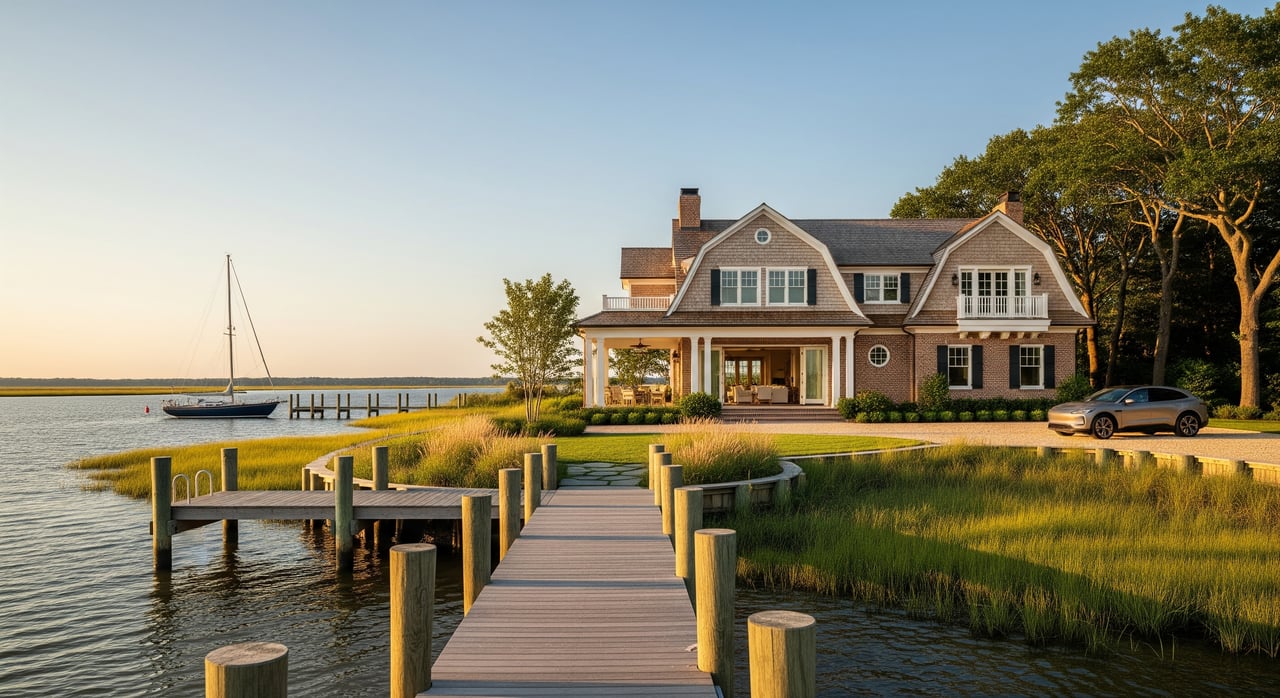
Arnold’s lifestyle is shaped by the water. You have easy reach to the Severn and Magothy Rivers and fast access to Chesapeake Bay. Local marinas, ramps, and calm coves make boating, paddling, and fishing part of everyday life.
Parks and trails are close by and popular. You are within easy reach of county and state parks, including Quiet Waters Park and Sandy Point State Park. These places offer trails, waterfront access, and community events, which is a big win if you want outdoor time without a long drive.
Dining and culture are a few minutes away in downtown Annapolis. You can enjoy waterfront restaurants, maritime attractions, and festivals, then return to quieter streets in Arnold. Walkability varies by neighborhood, so focus on community fit and your daily routine when you tour.
Schools and family resources
Arnold is served by Anne Arundel County Public Schools. Boundaries can change, so confirm assignments and enrollment procedures directly with AACPS and use their official locator tools when you are evaluating addresses. If you’re affiliated with USNA or Fort Meade, connect with each installation’s School Liaison Office early. They provide current guidance on enrollment steps and community resources.
Flood risk and due diligence
With waterfront and low-lying areas in the region, flood risk deserves attention. Some properties may be in FEMA-designated flood zones, and tidal flooding or storm surge can affect shoreline homes. A separate flood insurance policy may be required depending on a property’s flood zone and elevation.
For waterfront properties, include specialized checks. Ask about bulkhead condition, shoreline erosion history, and stormwater management. Request or obtain elevation information and consult FEMA flood maps for the specific parcel. If a property uses septic, review maintenance records and system age.
A thorough inspection package is essential. In addition to standard inspections, consider mold, radon, HVAC, and, for older homes, lead paint testing as appropriate.
Utilities and connectivity
Arnold properties typically connect to county or private utilities for electric and water/sewer. Some pockets may still use well or septic, so verify during due diligence. Internet and cable options often include major regional providers, and fiber is available in many neighborhoods, though availability can vary by street. Confirm service at the address level before finalizing a contract.
Your home search in Arnold
What you’ll find
The housing stock includes a mix of mid‑20th‑century homes and newer builds, with a range of lot sizes. You will find single-family homes across many neighborhoods, plus waterfront opportunities, select townhome communities, and a limited number of condos. Many streets are tree-lined and residential in feel.
Pricing context
Market conditions change quickly. If you are relocating from out of the area, compare recent sales and price trends for Arnold against nearby Severna Park, Annapolis, Crofton, and Odenton to understand how inventory and price points differ. Use local MLS and county property records or broker market reports for the most current view.
Neighborhood tradeoffs
- Arnold vs. Annapolis (downtown): Arnold offers quieter, more suburban neighborhoods and typically larger lots, while downtown Annapolis is denser, historic, and highly walkable with a robust dining and cultural scene.
- Arnold vs. Severna Park: Both are suburban with neighborhood amenities. Severna Park may sit closer to certain northbound corridors for Baltimore-area commuting. School boundaries differ and should be confirmed with AACPS.
- Arnold vs. Odenton/Crofton: These communities can shorten Fort Meade commutes and offer quick access to the Odenton MARC station. Housing types and price points vary, so weigh commute savings against lifestyle preferences.
Smart due diligence steps
- Confirm FEMA flood zones and obtain elevation information for properties near the water.
- Verify sewer connection versus septic and review maintenance histories.
- Test-drive your commute during peak times to understand real-world variability.
- Complete standard home inspections and add specialized evaluations as needed, such as bulkhead or shoreline assessments for waterfront homes.
- Review HOA rules for any restrictions on docks, boats, rentals, or exterior changes.
A move timeline you can follow
Below is a practical sequence you can adapt to your situation. If you are moving during peak season or have military PCS requirements, start earlier.
3–4 months before move
- Hire a local agent who knows Arnold and nearby corridors. Begin your search with clear priorities for commute, budget, and lifestyle.
- If military, contact your gaining command, the installation housing office, and the School Liaison early. Align PCS allowances, temporary lodging, and household goods planning.
- Research schools, neighborhoods, and test likely commute routes.
- Pull credit, organize income and asset documents, and obtain mortgage pre-approval or review your VA loan eligibility if applicable.
6–8 weeks before move
- Target an accepted offer and begin inspection contingencies.
- Schedule movers or storage. Obtain multiple estimates, especially for summer and PCS windows.
- Book temporary lodging if needed.
- Contact utilities to schedule start/stop dates for electric, gas, water/sewer, trash, and internet.
- Work with your agent to confirm closing logistics and escrow timelines.
2–3 weeks before move
- Confirm the moving date and inventory with your mover.
- Pack non-essentials and label boxes by room for an efficient unload.
- Transfer prescriptions and request school records for enrollment.
- Review vehicle registration and driver licensing tasks for the new address.
Week of move and after move-in
- Complete your final walk-through, obtain keys, and verify utilities are active.
- File change-of-address, update insurance policies, and complete voter registration.
- Schedule local service visits such as HVAC, pest, lawn, and, if applicable, dock or seawall checks.
- If military, attend newcomer briefings and check in with Family Readiness and School Liaison offices.
Vendor checklist and lead times
- Real estate agent: Engage early for neighborhood orientation and off-market insights.
- Lender/mortgage: Secure pre-approval before touring in earnest and confirm lock timelines once under contract.
- Movers: Get three estimates and schedule as early as possible for summer or PCS seasons.
- Storage/short-term lodging: Reserve in advance for peak periods.
- Utilities and internet: Schedule activation 1 to 2 weeks prior to closing to avoid gaps.
- Inspectors and specialists: Book quickly if inspections suggest further evaluation for septic, chimney, bulkhead, or environmental items.
- Schools/daycare: Follow AACPS and private provider timelines; confirm immunization and document requirements early.
For military families
Proximity to USNA is a standout advantage if your work centers in Annapolis. Fort Meade is reachable by county and state roads with highway connectors, and many personnel use the Odenton corridor depending on their gate. Plan PCS dates with enough lead time for HHG shipments, base housing applications, and off-base home searches.
Installation School Liaison and Family Readiness offices can help you navigate school enrollment, childcare options, and community resources. Connect early to reduce last-minute stress and align your move with school calendars.
Next steps
Relocating is easier when you have a trusted local partner who can balance commute needs, Bay lifestyle goals, and a clean contract-to-close process. With boutique, concierge-style guidance backed by Long & Foster’s integrated mortgage, title, inspection, and insurance resources, you can focus on life, not logistics. If Arnold sounds like a fit, let’s build a plan that works for your timeline and budget.
Ready to explore homes, neighborhoods, and next steps? Reach out to Carol Gust to get your instant home valuation and schedule a free consultation.
FAQs
How is the commute from Arnold to Washington, DC?
- Most drivers use US‑50/US‑301 westbound, with timing that varies by time of day and incidents; check real-time navigation before leaving and test-drive during your usual commute period.
How close is Arnold to the U.S. Naval Academy in Annapolis?
- USNA is in downtown Annapolis, generally a short drive from Arnold using local roads; allow extra time on event days and for parking near the Academy.
What public transit is available near Arnold?
- The MARC Penn Line is accessible by car at Odenton or BWI stations, and regional bus service operates in Anne Arundel County; verify current schedules and park-and-ride options before committing.
What flood risks should I review when buying in Arnold?
- Check FEMA flood zones, property elevation, and neighborhood flood history; for waterfront homes, assess bulkhead condition and consider separate flood insurance if required by the zone.
How does Arnold compare with Severna Park for commuting?
- Both are suburban; Severna Park may sit closer to some northbound routes for Baltimore commuting, while Arnold offers quick access to Annapolis and US‑50; test your specific route at peak times.
What types of homes are common in Arnold, MD?
- You’ll see a mix of mid‑century and newer single-family homes, some waterfront properties, select townhome communities, and limited condos, with a range of lot sizes.
How should military families time a PCS to Arnold?
- Start early: coordinate with your gaining command, base housing, and School Liaison; plan HHG shipments and temporary lodging well ahead of peak PCS windows.
Which utilities and internet providers serve Arnold addresses?
- Expect county or private utilities for power and water/sewer, with some areas on well or septic; internet and cable options vary by street, so confirm availability for each address.
How do I verify school assignments in Arnold?
- Use official Anne Arundel County Public Schools resources and locator tools to confirm current boundaries and enrollment requirements for any address you are considering.
What are the first steps for an out-of-state Arnold home search?
- Get pre-approved, clarify priorities, hire a local agent who knows the peninsula, and test your commute routes; then line up inspections, movers, and utilities based on your target closing date.