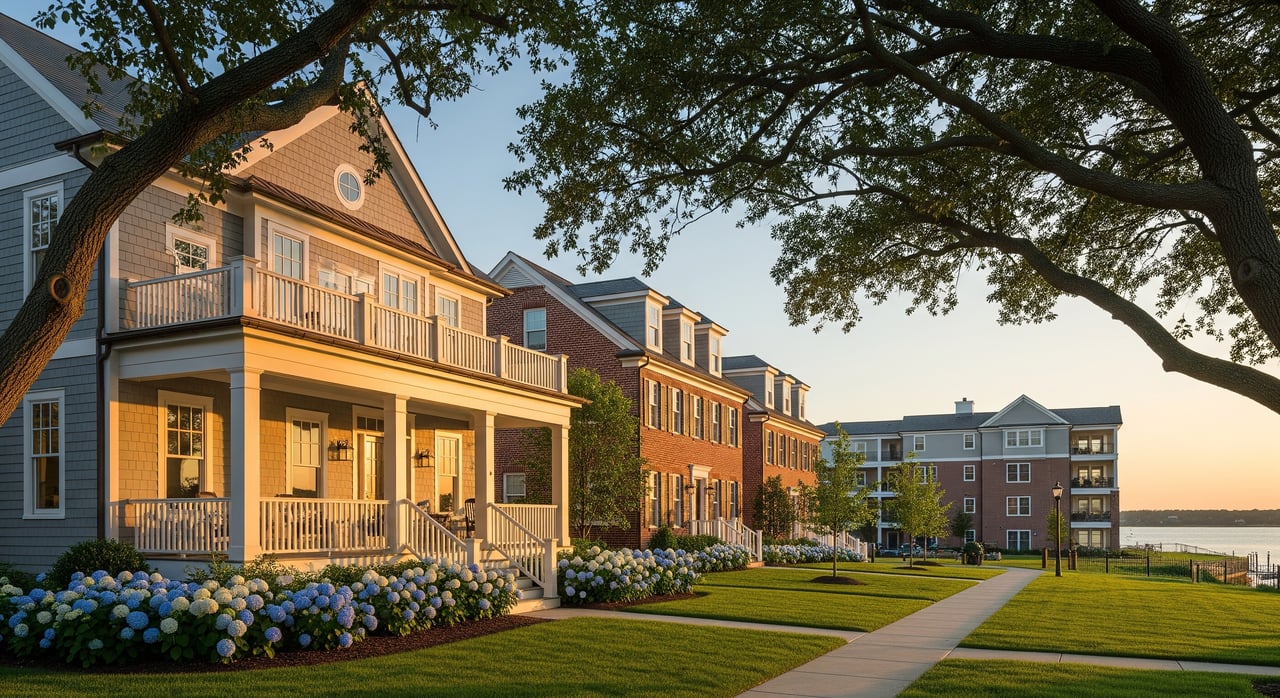
Trying to choose between a condo, townhome, or single-family home in Severna Park? With water nearby, commuter routes close, and a range of neighborhoods, the right fit comes down to how you like to live, what you want to maintain, and how you want to budget. In this guide, you’ll get a clear comparison of each home type, including typical fees, insurance and financing notes, and lifestyle patterns you can expect in Severna Park. By the end, you’ll have a practical checklist to move forward with confidence. Let’s dive in.
Condo vs townhome vs single-family at a glance
| Home type | Typical price tier in Severna Park | Typical HOA/condo fees | Owner maintenance | Insurance and flood notes | Best fit | Resale outlook |
|---|---|---|---|---|---|---|
| Condo | Lowest relative price tier | About $200–$600+ per month, often includes exterior, some utilities, and amenities | Mostly interior only; HOA covers exterior and common systems | HO-6 policy plus HOA master policy; lender will review condo financials; special assessments possible | First-time buyers, commuters, downsizers seeking low maintenance | Can vary with financing conditions and HOA health |
| Townhome | Mid price tier | About $100–$350 per month, higher if exterior and amenities are included | Interior and small yard; exterior may be HOA responsibility depending on community | Standard HO-3 policy; confirm what the HOA covers | Buyers wanting more space and a garage with lighter yardwork | Generally strong near commuter routes and amenities |
| Single-family | Highest price tier, especially waterfront | Often no HOA; where present, ranges from modest annual dues to higher if premium amenities | Full responsibility for interior and exterior, including yard, roof, and systems | HO-3 policy; waterfront may require flood insurance; higher premiums possible | Buyers wanting privacy, yard space, and long-term flexibility | Durable demand, especially near water and amenities |
Note: Local prices and fee structures change. Use current MLS data to verify active ranges and line-item HOA coverage before you decide.
Condos in Severna Park: what to expect
Condos are usually in low-rise buildings or small complexes near Severna Park’s commercial corridors. You trade a larger private yard for lower maintenance and shared amenities. Many buyers choose condos for walkable access to shops and quick drives to major roads.
Monthly fees tend to be higher than in townhomes because they often cover exterior maintenance, building insurance, landscaping, trash, snow removal, and sometimes utilities. Expect a wide range of fees tied to amenities like elevators, pools, or waterfront common areas.
Financing and insurance are more project-specific than with other homes. Lenders often review HOA reserves, litigation, and owner-occupancy ratios. You will carry an HO-6 policy for your interior and belongings while the HOA master policy covers common areas. Budget for potential special assessments if reserves are low.
Condos fit if you want low-hands-on living, value amenities, and prefer a simpler upkeep routine. Resale can be sensitive to lending rules and HOA health, so review those details early.
Townhomes in Severna Park: the middle ground
Townhomes balance space, price, and upkeep. Many communities cluster near schools, shopping, and key roads, and newer builds often include garages and small yards. You get more room than a condo with less maintenance than a single-family home.
HOA fees are typically lower than condos but vary based on what the association covers. Some HOAs handle exterior elements like roofing and siding. Others limit coverage to common areas, landscaping, and amenities such as a pool or clubhouse.
Insurance is usually straightforward, but check whether the HOA or the owner is responsible for the roof and exterior structure. Townhomes suit buyers who want convenience and a little outdoor space without full yard responsibilities. Locations near commuter corridors tend to hold value well.
Single-family homes in Severna Park: space and flexibility
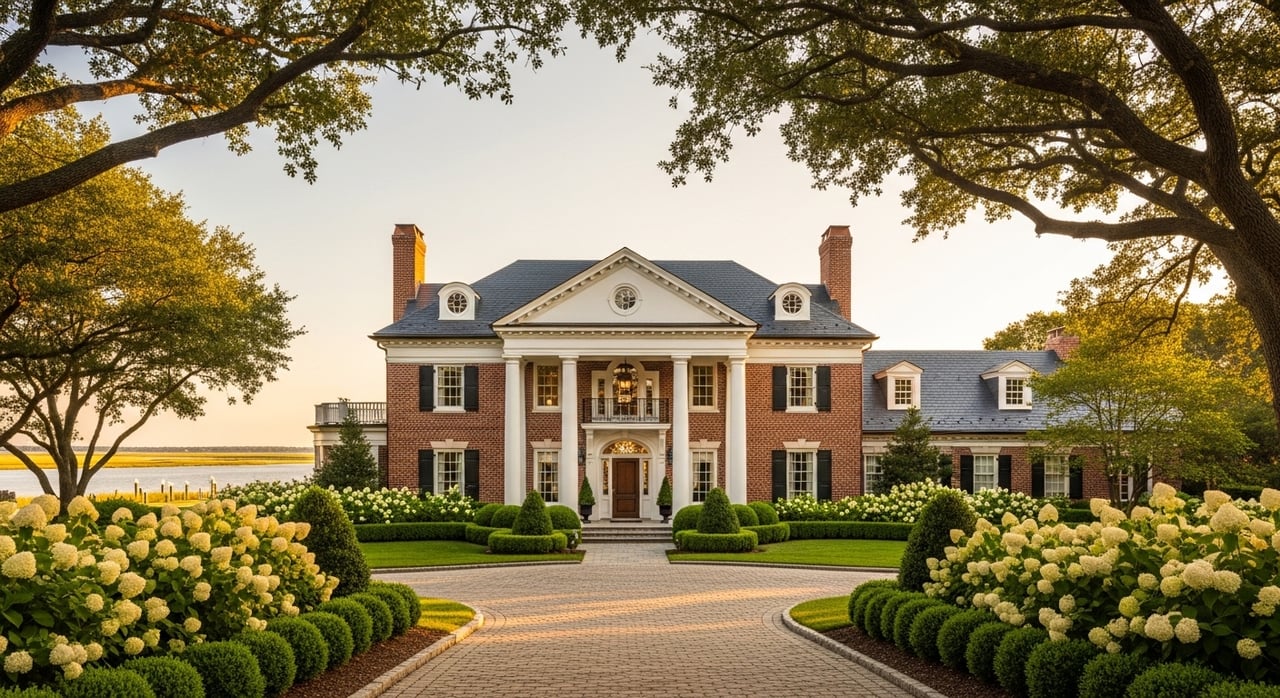
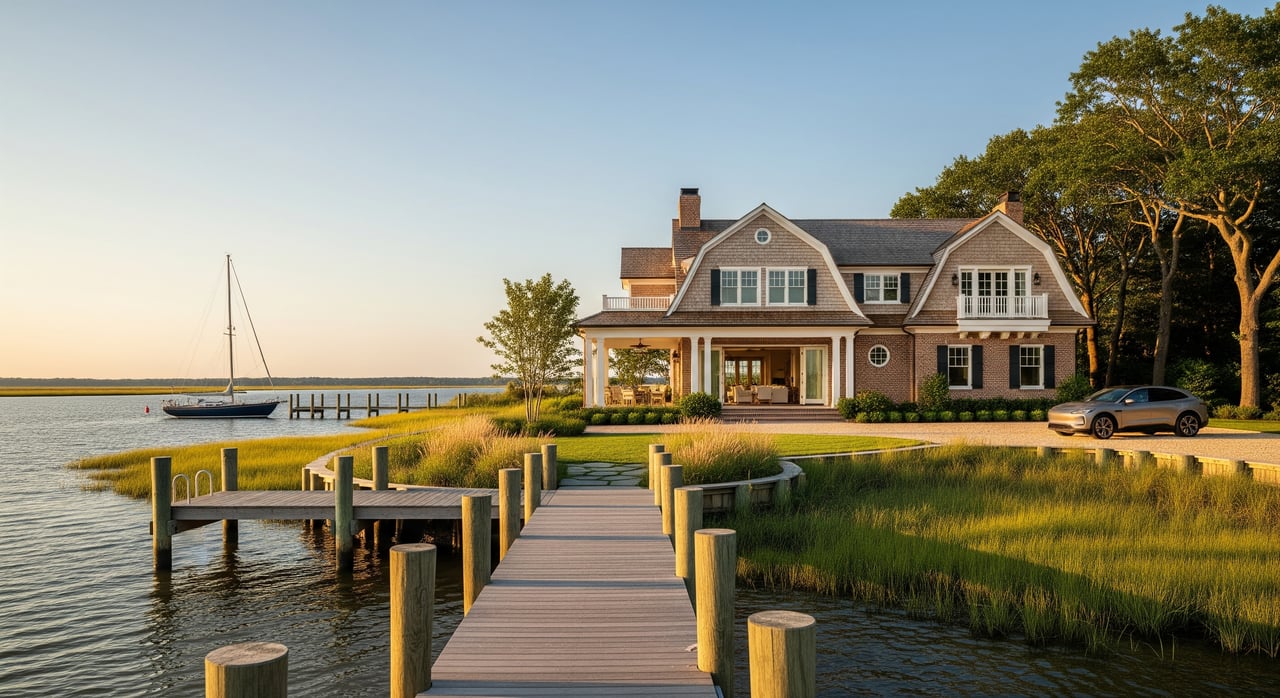
Severna Park offers a wide mix of detached homes, from established mid-century neighborhoods to newer subdivisions and premium waterfront enclaves. These homes typically command the highest prices locally, especially with water access or extensive updates.
You are responsible for all interior and exterior maintenance, including roof, siding, systems, and landscaping. A common budgeting rule is to set aside around 1 percent to 3 percent of the home’s value each year for maintenance, adjusting for age and features. Waterfront properties often require more upkeep for docks, bulkheads, and shoreline structures.
Homeowners insurance is standard, though waterfront locations can carry higher premiums. Properties in flood-prone areas may require flood insurance, so check local flood maps and discuss requirements with your lender and insurer. Single-family homes are ideal if you want private outdoor space, room to grow, and the ability to remodel over time.
Costs to budget beyond the purchase price
- HOA or condo fees. Review what is included and whether there are pending special assessments.
- Property taxes. Use the county’s assessed value and current tax rates to estimate annual costs.
- Utilities and services. Condos may include water, trash, and snow removal. Townhomes and single-family homes typically have separate utility and landscaping costs.
- Insurance. Condos need HO-6 coverage; townhomes and single-family typically need HO-3 policies. Flood insurance may be required in certain areas.
- Maintenance and capital items. Roofs, HVAC, siding, and yard care are larger line items for single-family homes; townhomes are intermediate; condos have the lowest owner maintenance but can face HOA assessments.
Lifestyle patterns in Severna Park
- Waterfront living. Neighborhoods along the Severn and Magothy rivers draw boaters and outdoor enthusiasts. Expect premium pricing, higher maintenance, and potential flood insurance requirements.
- Village and corridor convenience. Condos and townhomes near the downtown and Benfield corridors offer quick access to retail, restaurants, and commuter routes.
- Family-friendly neighborhoods. Many buyers prioritize detached homes with yards, parks, and nearby community amenities.
- Low-maintenance communities. Some developments are age-targeted or designed for easy upkeep, which appeals to downsizers and frequent travelers.
- Commuter access. Proximity to Ritchie Highway and connections to I-97 and Route 50 matter if you commute to Baltimore, Washington, or Annapolis.
How to choose: quick decision checklist
- Define your top three priorities. Budget, maintenance tolerance, commute, water access, outdoor space, and community amenities.
- Run a full monthly budget. Include mortgage, taxes, HOA fees, utilities, insurance, and a maintenance reserve.
- Read HOA documents early. Review CC&Rs, bylaws, budgets, reserve studies, meeting minutes, rental policies, and any litigation.
- Check insurance and flood exposure. Confirm flood zone status and expected premiums, especially for waterfront or low-lying lots.
- Test-drive the neighborhood. Visit at different times to observe traffic, parking, and noise patterns.
- Think resale. Locations near water, amenities, and key commuter corridors often have durable demand.
HOA red flags to watch
- Incomplete financials or no recent reserve study.
- Low reserve levels or frequent special assessments.
- High delinquency or low owner-occupancy rates.
- Restrictive rental or pet policies that do not match your plans.
- Ongoing litigation or major deferred maintenance.
Sample budget worksheet
- One-time at closing:
- Down payment
- Closing costs and prepaid escrows
- Monthly and recurring:
- Mortgage principal and interest
- Property taxes
- HOA or condo fees
- Utilities and services
- Insurance premiums
- Maintenance reserve: single-family about 1 percent to 3 percent of home value per year, townhome lower depending on HOA coverage, condo lowest owner burden but plan for assessments
- Commuting and transportation costs
Waterfront considerations in Severna Park
If you are eyeing water access, plan for dock, bulkhead, and shoreline upkeep. Verify flood zone status and ask your lender and insurer about required flood insurance and premiums. For any marine structures or improvements, check county permitting and engage a local inspector who understands shoreline and tidal considerations. These details affect both your monthly budget and long-term maintenance.
Ready to see what fits your life by the Bay? Reach out for a tailored list of active condos, townhomes, and single-family homes in Severna Park, plus an HOA and budget review so you can compare apples to apples. Connect with Carol Gust to get started today.
FAQs
What are typical monthly condo fees in Severna Park?
- Many communities fall in the range of about $200 to $600+ per month, with higher fees where elevators, pools, or waterfront amenities are included.
How do townhome HOAs differ from condo HOAs in Severna Park?
- Townhome fees are often lower and may or may not include exterior maintenance, while condo fees usually cover exterior upkeep, building insurance, and common utilities.
Do single-family homes in Severna Park usually have HOAs?
- Many do not, but where an HOA exists, dues can range from modest annual amounts to higher fees if the community offers premium amenities.
What maintenance costs should I plan for with a single-family home?
- A common rule is to set aside about 1 percent to 3 percent of the home’s value each year for maintenance and repairs, adjusting for age and features.
What should I review in HOA documents before buying a condo or townhome?
- Look at budgets, reserve studies, meeting minutes, rules on rentals and pets, owner-occupancy rates, any litigation, and the history of special assessments.
Will I need flood insurance for a Severna Park home near the water?
- It depends on the property’s flood zone and lender requirements; waterfront and low-lying properties are more likely to need flood insurance.